


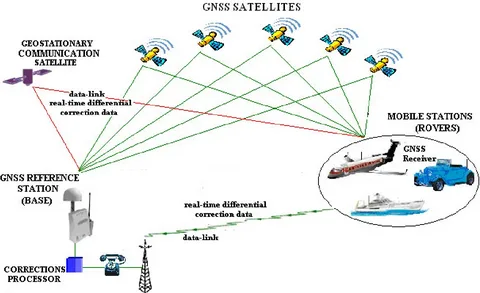
In the modern era of smart technology, the convergence of GNSS system (Global Navigation Satellite Systems) and IoT devices is transforming the way we interact with the world. From smart cities to precision agriculture, this integration is enabling real-time location tracking, improved efficiency, and smarter decision-making.
Understanding GNSS Systems
GNSS systems include satellite-based technologies like GPS (Global Positioning System), GLONASS, Galileo, and BeiDou. These systems provide accurate positioning, navigation, and timing (PNT) information globally. Traditionally, GNSS was primarily used for navigation in vehicles and handheld devices. However, the rise of IoT has expanded its applications far beyond traditional use cases.
IoT Devices: The Backbone of Smart Technology
IoT devices are interconnected gadgets that collect, exchange, and analyze data to automate processes and enhance user experiences. These devices range from wearable fitness trackers to industrial sensors and smart home systems. The ability of IoT devices to communicate over networks and process real-time data makes them ideal candidates for integration with GNSS systems.
The Synergy Between GNSS and IoT
The integration of GNSS systems with IoT devices brings immense benefits. Here are a few key advantages:
- Real-time Tracking: IoT devices equipped with GNSS receivers can provide accurate location data for logistics, transportation, and fleet management.
- Enhanced Safety: Wearables and connected vehicles can alert users or authorities in emergency situations, improving safety in urban and industrial environments.
- Data-driven Decisions: Accurate geospatial data enables predictive analytics, helping businesses optimize routes, manage resources, and monitor environmental conditions.
This integration not only improves operational efficiency but also opens the door to innovative applications in sectors like agriculture, healthcare, and smart infrastructure.
Challenges and Considerations
Despite its benefits, the integration of GNSS systems with IoT devices faces challenges such as signal interference, data privacy concerns, and energy consumption. Engineers and developers must design robust solutions that ensure reliable communication, secure data transmission, and long-lasting device performance.
Future Prospects
The future of GNSS and IoT integration is promising. With advancements in 5G networks, edge computing, and AI-driven analytics, IoT devices will increasingly rely on GNSS for precise positioning and enhanced functionality. Industries such as autonomous vehicles, drone management, and smart logistics are expected to benefit the most from this evolving technology.
Conclusion
The integration of GNSS systems with IoT devices is redefining how we interact with our environment. By combining accurate positioning with smart, interconnected devices, businesses and consumers can enjoy unprecedented levels of efficiency, safety, and innovation. As technology continues to evolve, the possibilities for GNSS-IoT collaboration are virtually limitless.
