


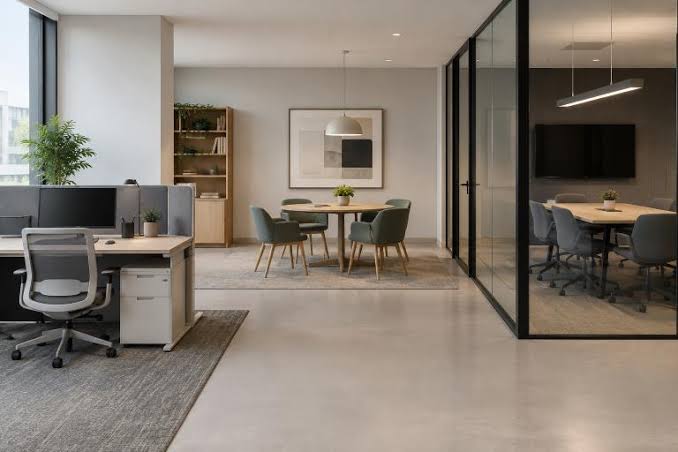
Flexible Office Space
Business plans rarely develop in a perfectly straight line. A new project can create an immediate need for additional colleagues, whilst a change in working patterns can alter how often people use the office. Workspace decisions therefore need to account for uncertainty as well as current requirements.
Exploring flexible office space gives businesses an opportunity to discuss arrangements that reflect how they operate. However, flexibility is most useful when it is clearly defined. Before choosing a workplace, it helps to establish what might change, how quickly that change could happen and what support would be needed.
Separate today’s needs from tomorrow’s possibilities
Begin with the requirements you can confidently identify. Record the number of regular users, the busiest days of the week and the activities that require people to meet in person. Then create a separate list of possible developments, such as recruitment, a new contract or a regional expansion.
This distinction prevents uncertain forecasts from dominating the decision. It also gives the workspace provider a more useful brief: the business needs a workable arrangement now, with a clear understanding of the options available later.
Consider more than one workspace format
Mantle Space’s portfolio presents several ways to use workspace, including private offices, coworking, Home-Flexi membership, virtual offices and meeting spaces. These formats address different requirements, so it is worth discussing the actual working pattern before selecting a membership.
A business might need a private base for its core team, whilst an independent professional may be looking for somewhere to work away from home. Another organisation may primarily need a suitable setting for scheduled meetings. Define the purpose first, then assess the format.
Ask what flexibility means in the agreement
The word itself does not explain notice periods, availability or the process for changing space. Ask specific questions about the initial commitment, renewal arrangements and what happens if your requirements increase or decrease.
Discuss whether changes depend on suitable space becoming available. Find out how pricing would be reviewed and whether moving within a building would involve additional work or costs. Understanding these details makes it easier to plan realistically.
Include management in your assessment
A workspace is also a service relationship. Questions need answers, facilities need attention and day-to-day issues need a clear point of contact.
Mantle’s corporate website describes a business established in 1990, with experience in commercial property investment, development and the operation of flexible offices. It also states that its assets are managed in-house. This provides useful background when considering the organisation behind the workspace.
During a viewing, ask how support is organised and who would handle routine requests.
Set a review point
After moving in, review how the space is being used. Compare actual attendance, meeting demand and team feedback with your original assumptions. Keep track of what works and what needs adjustment.
A flexible workplace strategy should remain connected to the business itself. Clear requirements, specific questions and regular reviews help organisations make deliberate decisions as circumstances evolve, whilst maintaining a reliable environment for everyday work.
