


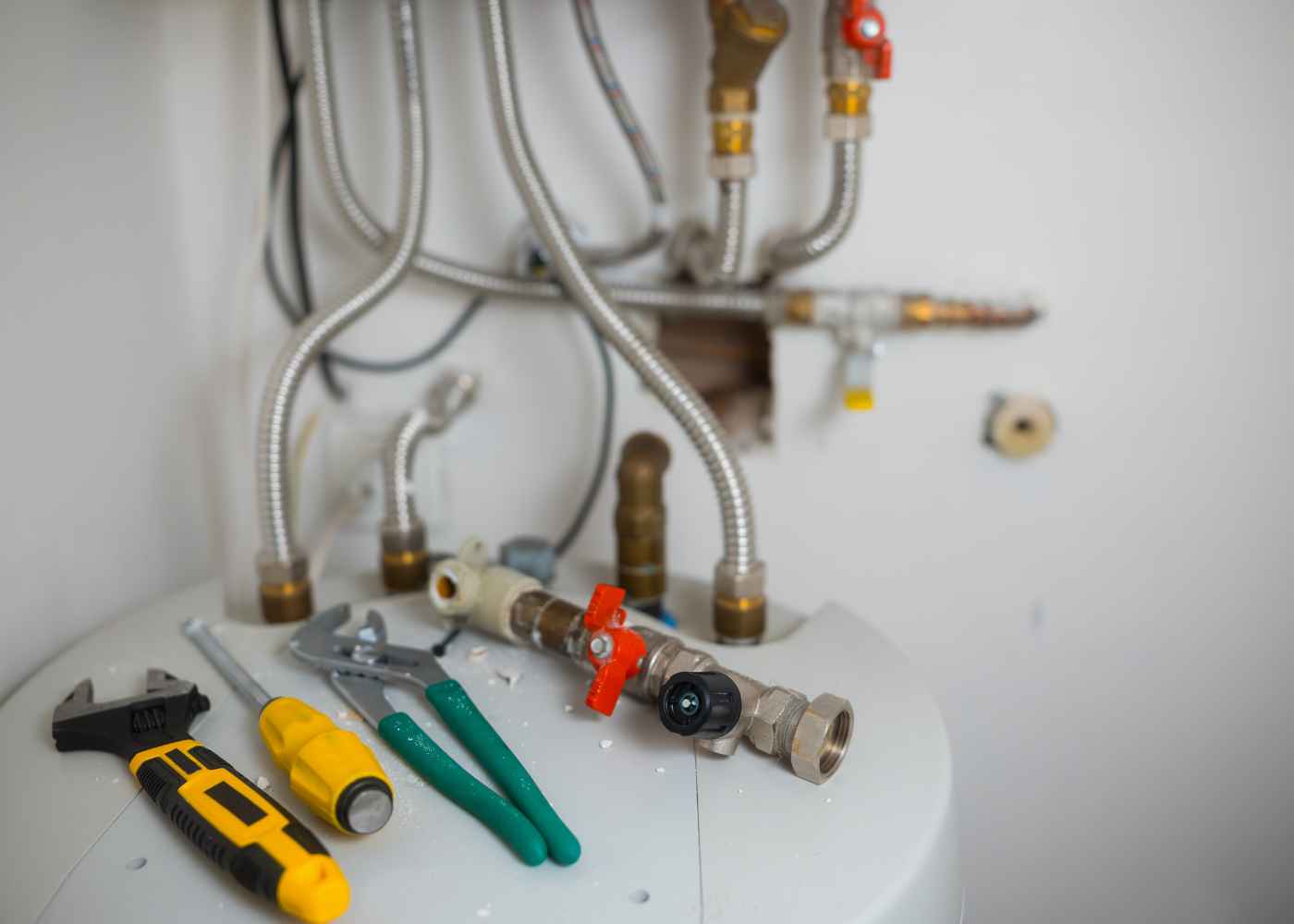
Operating out of sight, your water heater is essential for providing the hot water necessary for daily activities such as showering, washing dishes, and doing laundry. Most homeowners give little thought to this essential appliance until it fails, but waiting for complete breakdown creates expensive emergencies and preventable damage. Here are five compelling reasons why replacing an aging water heater should be a top priority rather than something you delay until crisis strikes.
Prevent Catastrophic Water Damage to Your Home
Water heater failures rarely happen gracefully. Tank corrosion eventually leads to leaks or complete ruptures that can release 40 to 80 gallons of water into your home within minutes. This flooding causes devastating damage to floors, walls, ceilings, and personal belongings.
Water damage from failed water heaters frequently totals tens of thousands of dollars when factoring in structural repairs, mold remediation, flooring replacement, damaged drywall, and ruined possessions. Basements can flood completely, finished living spaces suffer extensive damage, and even adjacent rooms experience water infiltration through floors and walls.
Insurance claims for water heater failures create headaches beyond just financial costs. Deductibles apply, premiums may increase, and some policies exclude coverage if the water heater exceeded its expected lifespan and homeowners neglected replacement. The stress and disruption of major water damage far exceeds the inconvenience of planned replacement.
Most water heaters last 8 to 12 years depending on water quality and maintenance. If yours approaches or exceeds this age, replacement becomes prudent risk management rather than optional maintenance you can postpone indefinitely.
Avoid Energy Waste from Declining Efficiency
As water heaters age, sediment accumulation, corrosion, and component wear reduce efficiency significantly. Your water heater works harder and consumes more energy to deliver the same hot water, inflating utility bills month after month.
Sediment buildup on tank bottoms acts as insulation between burners and water, requiring longer heating cycles and more energy to reach target temperatures. This inefficiency wastes gas or electricity while shortening the heating element or burner lifespan through overwork.
Modern water heaters feature substantially improved efficiency compared to units manufactured even 10 years ago. Energy Factor ratings have increased, insulation has improved, and technology advances deliver more hot water using less energy. Replacing aging units with efficient models often reduces water heating costs by 20% or more.
These energy savings accumulate over the new water heater’s lifespan, often offsetting a significant portion of replacement costs through reduced utility bills. When you factor in avoided energy waste from an inefficient aging unit, replacement economics become even more favorable.
Ensure Reliable Hot Water for Daily Needs
Failing water heaters provide inconsistent hot water that disrupts household routines and creates constant frustration. Running out of hot water mid-shower, waiting longer for water to heat, or dealing with temperature fluctuations signals your water heater is struggling.
These performance problems only worsen as components continue deteriorating. What begins as occasional inconvenience progresses to frequent cold showers and inadequate hot water for basic household tasks. Eventually, complete failure leaves you without any hot water until emergency replacement occurs.
Proactive replacement on your schedule allows you to research options, compare pricing, and select equipment meeting your household’s specific needs. Emergency replacements force you to accept whatever is available immediately, often paying premium prices for rushed service and limited equipment choices.
You can also time planned replacements for convenient periods—not during holidays, houseguests, or busy work seasons. Emergency failures respect no one’s schedule, creating maximum disruption at the worst possible times.
Take Advantage of Modern Technology and Features
Water heater technology has advanced significantly in recent years. Tankless models provide endless hot water while consuming less energy. Heat pump water heaters extract warmth from air, dramatically reducing operating costs. Smart controls offer remote monitoring and optimization impossible with older units.
High-efficiency tank models feature improved insulation, advanced burner designs, and better temperature controls delivering superior performance compared to older technology. Even basic modern water heaters outperform units manufactured a decade ago.
Some utility companies and government programs offer rebates for upgrading to high-efficiency water heaters, reducing your net replacement cost. These incentives typically require replacing functional units before they fail—another reason to act proactively rather than waiting for emergencies.
Modern water heaters also include improved safety features like automatic shutoffs, pressure relief valves, and leak detection systems that protect your home better than older equipment.
Maintain Home Value and Avoid Buyer Concerns
When selling your home, an aging water heater raises red flags for potential buyers and home inspectors. Buyers may request replacement before closing, demand price reductions, or negotiate repair credits that exceed actual replacement costs.
Home inspections specifically note water heater age and condition. Units approaching or exceeding expected lifespan generate concern about imminent failure after purchase, making buyers hesitant or reducing offers to account for anticipated replacement expenses.
Proactively replacing aging water heaters before listing your home eliminates these concerns and demonstrates responsible home maintenance that appeals to buyers. New water heaters become selling points rather than negotiation obstacles.
Making the Right Decision
Water heater replacement shouldn’t wait until failure forces emergency action. The combination of flood risk, energy waste, reliability concerns, technology improvements, and home value protection makes proactive replacement a smart priority. When the time comes for replacement, choosing the right plumbing companies with licensed technicians, quality equipment options, and professional installation ensures your new water heater serves reliably for years. Don’t gamble with aging water heaters—replace them before they replace themselves at the worst possible time in the worst possible way.
