


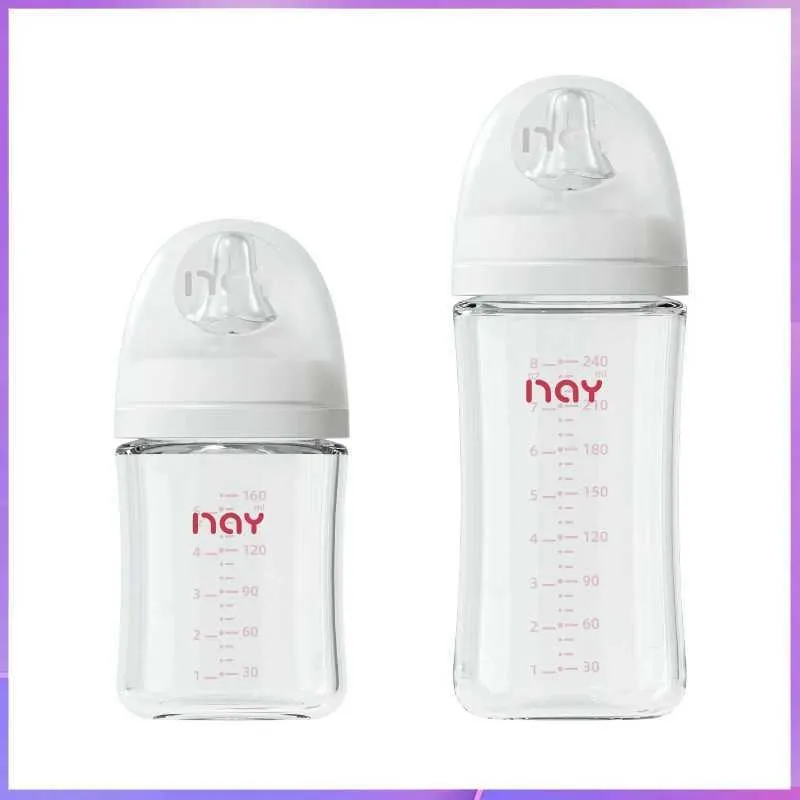
Using glass feeding bottles for babies has become increasingly popular due to their durability, safety, and chemical-free composition. However, many parents still make avoidable errors while handling them. Understanding the Common Mistakes to Avoid When Using infant glass bottles can help ensure your baby’s safety and improve feeding hygiene.
Below is a complete guide that explains where parents often go wrong and how to fix these issues.
Why Proper Use of Glass Bottles Matters
Glass bottles are generally safer than plastic because they do not release harmful chemicals when heated. Still, incorrect handling can lead to breakage, contamination, or feeding discomfort for the baby. That’s why learning about the Common Mistakes to Avoid When Using Infant Glass Bottles is essential for every new parent.
Mistake 1: Not Checking for Cracks or Damage
One of the biggest risks is using a bottle that has small cracks or chips. Even minor damage can:
- Lead to leakage during feeding
- Increase the risk of sudden breakage
- Harbor bacteria in hidden crevices
Always inspect the bottle before each use. This simple habit can prevent accidents and ensure safe feeding.
Mistake 2: Improper Sterilization
Many parents either over-sterilize or under-sterilize glass bottles. Both can cause problems.
- Under-sterilization increases infection risk
- Overheating may weaken bottle integrity over time
A balanced cleaning routine is key. Wash with warm water and baby-safe soap, then sterilize using steam or boiling water when needed.
Mistake 3: Ignoring Temperature Safety
Glass bottles handle heat well, but sudden temperature changes can cause breakage. A common error is pouring boiling milk directly into a cold bottle or placing a hot bottle in cold water.
This is one of the Common Mistakes to Avoid When Using Infant Glass Bottles because thermal shock can damage the bottle instantly.
To avoid this:
- Warm bottles gradually
- Avoid extreme temperature shifts
- Test milk temperature before feeding
Mistake 4: Using the Wrong Bottle Size or Nipple Flow
Choosing the wrong size or nipple flow can make feeding difficult for your baby. A fast flow may cause choking, while a slow flow may frustrate the baby.
Always select:
- Age-appropriate nipple flow
- Bottle size suitable for feeding volume
This ensures a comfortable feeding experience and reduces feeding-related stress.
Mistake 5: Poor Handling During Feeding
Glass bottles are heavier than plastic ones, so improper handling can lead to spills or even drops. Parents should always:
- Hold the bottle firmly
- Support the baby properly during feeding
- Avoid leaving the baby unattended with the bottle
These simple precautions help avoid accidents.
Mistake 6: Not Storing Bottles Properly
Improper storage can lead to contamination or accidental breakage. Storing bottles loosely in crowded cabinets increases risk.
Instead:
- Keep bottles in a clean, dry place
- Store separately to avoid chipping
- Use protective covers if available
Final Thoughts
Being aware of the Common Mistakes to Avoid When Using Infant Glass Bottles helps parents create a safer and more comfortable feeding routine. Small improvements in handling, cleaning, and storage can make a big difference in your baby’s health and safety.
