


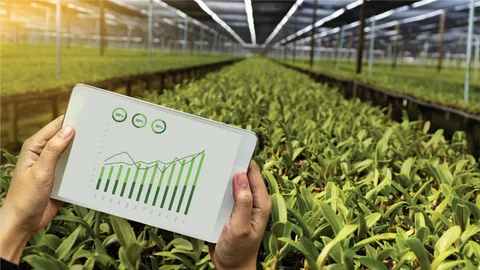
The 21st century has ushered in a new era of technological innovation, and one of the most transformative sectors to benefit from this shift is agriculture. As the global population continues to grow, the pressure on food production systems intensifies. In response to these challenges, smart agriculture is revolutionizing farming, making it more efficient, sustainable, and adaptable. This article explores the role of smart agriculture in shaping the future of farming and how its adoption is crucial for feeding the world in an environmentally conscious manner.
What is Smart Agriculture?
Smart agriculture, also known as precision farming or digital farming, refers to the use of modern technologies to optimize the productivity and sustainability of agricultural practices. By integrating sensors, data analytics, Internet of Things (IoT) devices, drones, and artificial intelligence (AI), smart agriculture enables farmers to monitor and manage their fields in real-time, making informed decisions based on data rather than intuition or guesswork.
Key Technologies Powering Smart Agriculture
- Sensors and IoT Devices: These technologies allow farmers to track soil moisture levels, temperature, and nutrient content. This data helps in precise irrigation and fertilization, reducing waste and improving crop health.
- Drones and Satellite Imaging: Drones can survey large areas quickly, providing detailed aerial images of crops, which are then analyzed to detect issues such as pest infestations, water stress, or nutrient deficiencies.
- Artificial Intelligence (AI) and Machine Learning: AI algorithms analyze the vast amounts of data collected from various sources, offering actionable insights that help farmers make informed decisions about planting, irrigation, pest control, and harvesting.
- Automated Equipment: From autonomous tractors to robotic harvesters, automation reduces the labor intensity of farming while increasing efficiency and precision.
Revolutionizing Farming Practices for Greater Efficiency
One of the most significant benefits of smart agriculture is the way it enhances the efficiency of farming practices. Traditional methods often rely on a one-size-fits-all approach, where crops receive the same treatment regardless of the specific conditions of the soil or environment. Smart agriculture, on the other hand, enables farmers to apply targeted interventions, such as customized irrigation schedules and variable rate fertilization, tailored to the needs of each part of the field.
Data-Driven Decisions
Farmers are increasingly relying on data-driven insights to guide their farming practices. By using advanced analytics and real-time data from sensors and drones, farmers can make better decisions on everything from irrigation to pest management, significantly improving yields while minimizing resource waste. This precision agriculture approach not only increases crop yields but also reduces the environmental impact of farming by optimizing the use of water, fertilizers, and pesticides.
Smart Agriculture and Sustainability: A Greener Future
Sustainability is a major concern for modern farming, especially as the world grapples with climate change, land degradation, and water scarcity. Smart agriculture plays a vital role in addressing these challenges by promoting more sustainable farming practices.
Minimizing Resource Use
By closely monitoring environmental conditions and crop health, smart farming technologies enable farmers to optimize the use of natural resources. For instance, soil sensors help farmers apply fertilizers only when necessary, while irrigation systems that adjust in real-time to weather conditions can conserve water.
Reducing Carbon Footprint
Automated machinery and precision farming techniques help to lower fuel consumption by reducing the need for manual labor and the overuse of machinery. Moreover, the ability to reduce fertilizer and pesticide applications means fewer chemicals are released into the environment, thus contributing to a healthier ecosystem.
The Future of Smart Agriculture: A Global Perspective
The potential of smart agriculture is not limited to large commercial farms. Smallholder farmers in developing countries can also benefit from these technologies. For instance, low-cost sensors and mobile applications allow farmers in regions with limited resources to access real-time weather data, market prices, and crop management advice. This enables them to make better decisions that can increase their productivity and incomes.
Global Adoption and Challenges
Despite the clear benefits, the widespread adoption of smart agriculture faces several challenges. These include the high initial cost of technology, lack of technical knowledge among farmers, and limited internet access in rural areas. However, with ongoing advancements and greater accessibility of technology, these barriers are gradually being overcome.
Governments, non-governmental organizations, and private companies are collaborating to make smart agriculture more accessible. Initiatives to subsidize the cost of technology, provide training, and improve internet infrastructure are helping to bridge the gap between advanced farming practices and those who need them most.
Conclusion: Revolutionizing Farming for a Sustainable Future
Smart agriculture is revolutionizing farming by introducing innovative technologies that increase efficiency, productivity, and sustainability. As the global demand for food grows, smart agriculture offers a promising solution to the challenges facing the agricultural sector. By integrating sensors, AI, automation, and data analytics, farmers can not only boost yields but also adopt more environmentally friendly practices.
In the 21st century, revolutionizing farming through smart agriculture will be crucial for ensuring that the world’s growing population is fed sustainably. With continued innovation and adoption, smart agriculture will pave the way for a more resilient and sustainable agricultural future, benefiting both farmers and the planet.
