


Installing an air conditioning system is a significant investment that affects comfort, energy efficiency, and long-term costs. While many people focus solely on the brand or price of the unit, successful AC installation depends on several important factors that should be evaluated beforehand. Careful planning helps ensure the system performs efficiently, lasts longer, and meets the specific needs of your space.
Understanding Your Cooling Needs
Before installing an air conditioning system, it is essential to understand the cooling requirements of your home or building. The size of the space, ceiling height, number of rooms, insulation quality, and window placement all influence how much cooling power is needed. A unit that is too small will struggle to maintain a comfortable temperature, while an oversized system may cool the area too quickly without properly removing humidity.
Professionals often conduct load calculations to determine the correct system capacity. This assessment ensures the air conditioner can operate efficiently without unnecessary strain. Taking the time to understand your actual cooling needs prevents performance issues and avoids higher energy bills caused by improper sizing.
Choosing the Right Type of AC System
There are several types of air conditioning systems available, and choosing the right one is a crucial step before installation. Central air conditioning systems are ideal for larger spaces and provide consistent cooling throughout the home. Split systems and ductless mini-split units are popular for their flexibility and energy efficiency, especially in homes without existing ductwork.
Each system type has its advantages depending on layout, budget, and usage. Understanding how different systems work and how they fit your space helps you make an informed decision. This step ensures that the system not only cools effectively but also integrates seamlessly with your home’s structure.
Evaluating Energy Efficiency
Energy efficiency is one of the most important considerations before AC installation. Modern air conditioners come with efficiency ratings that indicate how much energy they consume during operation. Higher efficiency systems may have a higher upfront cost, but they typically lead to lower monthly energy bills over time.
Energy-efficient systems also reduce environmental impact by consuming less electricity. Factors such as inverter technology, proper insulation, and programmable thermostats all contribute to better efficiency. Evaluating these features in advance helps ensure long-term savings and sustainable cooling.
Preparing Your Space for Installation
Proper preparation of the installation area is essential for optimal performance. Existing ductwork should be inspected for leaks, blockages, or damage that could reduce airflow. Electrical systems must be capable of handling the power requirements of the new unit, and outdoor units should be placed in areas with adequate ventilation.
The placement of both indoor and outdoor components directly affects system efficiency and noise levels. Poor placement can result in uneven cooling, increased wear on components, and unnecessary maintenance issues. Addressing these factors beforehand leads to a smoother installation process and better system performance.
Considering Professional Expertise
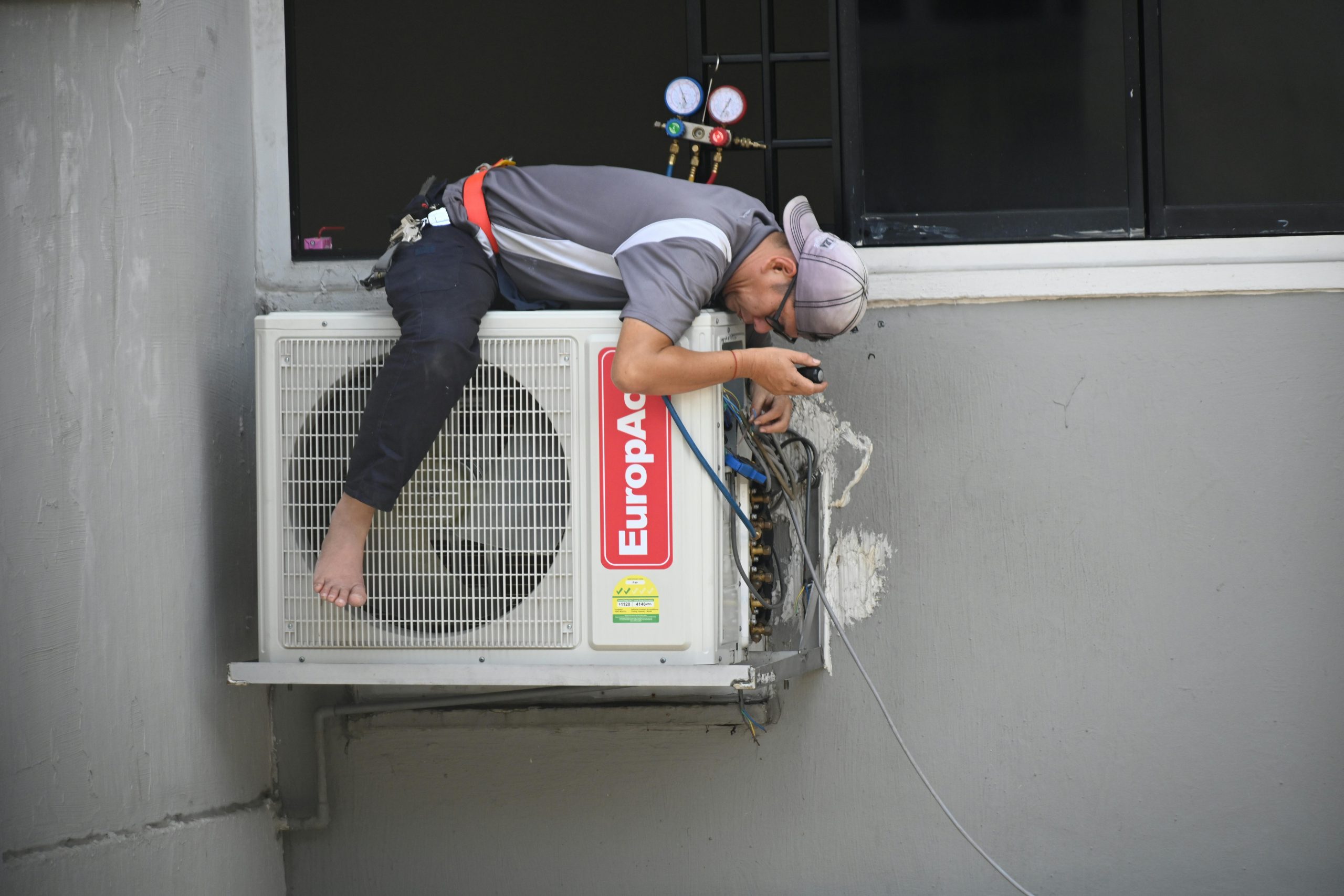
AC installation is a complex process that requires technical knowledge and experience. From refrigerant handling to electrical connections, each step must be completed correctly to ensure safety and compliance with regulations. Hiring trained professionals helps avoid costly mistakes that could damage the system or shorten its lifespan.
Experienced technicians also provide valuable guidance on system selection and placement. Their expertise ensures that the installation meets manufacturer standards and operates as intended. Companies such as Trane South are often referenced in the industry as examples of how professional installation standards contribute to reliable and efficient systems, without making the process solely about brand promotion.
Understanding Long-Term Maintenance Requirements
Before installing an air conditioner, it is important to consider long-term maintenance needs. Regular servicing helps maintain efficiency, prevent breakdowns, and extend the system’s lifespan. Knowing what type of maintenance the system requires allows homeowners to plan for future care and expenses.
Proper installation plays a key role in reducing maintenance issues. A well-installed system experiences less strain and fewer operational problems, making routine maintenance more effective. Understanding these responsibilities ensures that the system continues to perform well long after installation.
Budgeting Beyond the Initial Cost
While the purchase price of an air conditioner is important, it should not be the only financial consideration. Installation costs, energy consumption, maintenance, and potential repairs all contribute to the total cost of ownership. Planning a realistic budget helps prevent unexpected expenses and ensures the system remains affordable over time.
Investing in quality installation and energy-efficient equipment often results in long-term savings. Weighing initial costs against future benefits helps homeowners make practical and informed decisions.
Conclusion
AC installation is more than just selecting a unit and having it installed. It requires careful consideration of cooling needs, system type, energy efficiency, space preparation, professional expertise, and long-term costs. Taking the time to evaluate these factors ensures a smooth installation process and reliable system performance.
By planning ahead and working with qualified professionals, homeowners can enjoy consistent comfort, lower energy bills, and peace of mind. A well-installed air conditioning system not only enhances indoor comfort but also adds lasting value to the home, making thoughtful preparation an essential part of the installation process.
